Step 1: Confirm It's a Real TRO—Don't Panic Yet
Before you take any action, verify the following:
✓ Check the sender: Is the notice from the platform (Amazon, eBay, etc.) or directly from a U.S. court?
✓ Verify the case number: Format is typically '26-cv-XXXXX'.
✓ Look up the case status: Use the PACER system or a professional TRO response service to confirm.
Common Mistake: Some sellers confuse a routine platform IP complaint with a federal TRO. Platform complaints can be appealed; TROs require a legal response.
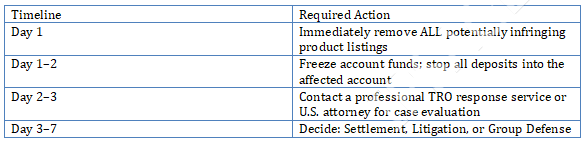
Step 2: The Golden 72 Hours—Act Immediately
From TRO approval to fund freeze can be as short as 1–2 weeks. Speed is everything:
Step 3: Three Paths—Which One Is Right for You?
Path A: Settlement (Chosen by 90% of Sellers)
Settlement is the fastest route, typically resolving in 2–4 weeks. Settlement amounts usually range from 45% to 55% of frozen funds. While it leaves a record on your account, it avoids the risk of a default judgment and permanent ban.
Path B: Litigation (For High-Value Sellers with Strong Defense)
On March 9, 2026, the U.S. Seventh Circuit Court of Appeals issued a landmark ruling in the 'Grand Canal' trademark case: A checkout screenshot showing 'ships to [state]' is insufficient to establish personal jurisdiction over a non-U.S. seller. This creates a powerful new defense angle for Chinese sellers facing batch TROs.
Path C: Abandon the Store (Last Resort for Low-Value Accounts)
If your frozen funds are only a few hundred dollars but the settlement demand is several thousand, some sellers choose to abandon the account. WARNING: A default judgment may create risks for future U.S. travel and could trigger platform-wide account linkage for the same business entity.
Step 4: Settlement Negotiation Tactics
1. Group Settlement: Multiple sellers jointly retain the same attorney. This dramatically reduces per-seller settlement amounts.
2. Provide Sales Data: Demonstrate low actual sales volume and thin profit margins to negotiate a lower settlement.
3. Emphasize Non-Willful Infringement: First-time offense, proactive takedown, and good-faith efforts are strong negotiation leverage.
4. Installment Payments: Some plaintiff law firms accept structured payment plans.
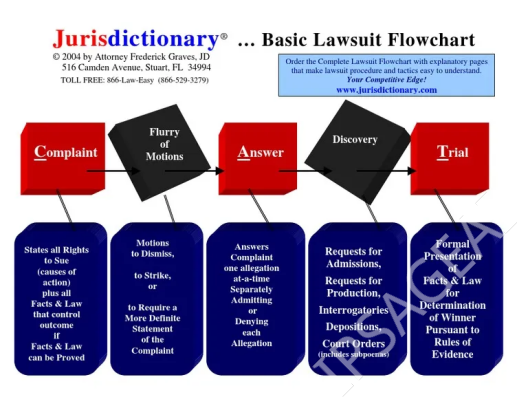
Understanding the lawsuit flow helps you identify critical deadlines. Missing the Answer deadline is the #1 mistake that turns a manageable TRO into a financial disaster.
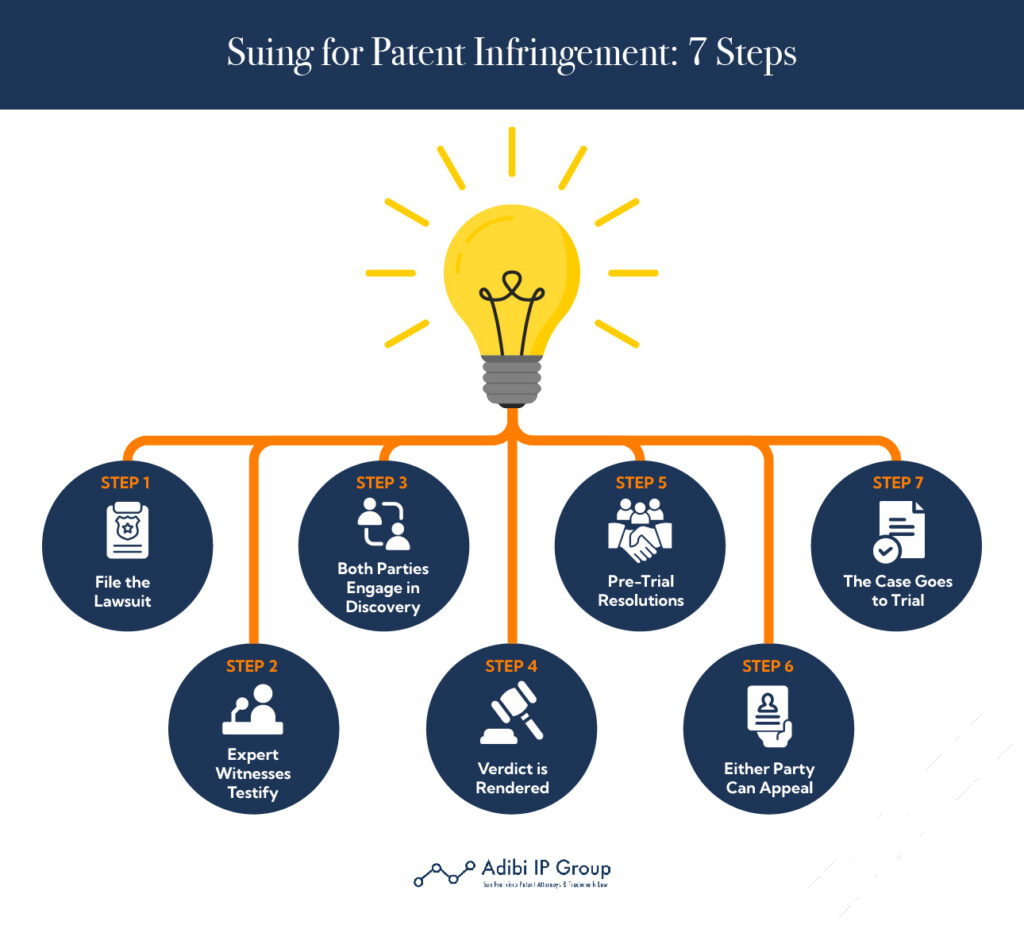
The 7-step patent infringement litigation process above illustrates how complex and costly full litigation can be. For most small sellers, settlement or group defense is the pragmatic choice.
In our next article, we shift focus from reactive response to proactive prevention—how to build a TRO-proof compliance framework before you ever receive a notice.